Discover how sales automation software helps insurance agents generate high-quality leads, automate follow-ups, and increase conversions using B2B SaaS tools. In today’s competitive insurance market,
Category: software
Discover how the best CRM tools like Salesforce and HubSpot help insurance agents increase sales, automate workflows, and scale faster. Most insurance agents think selling
Learn how a CRM for insurance agents can help you increase sales, automate follow-ups, and grow your business without working longer hours. Most insurance agents
Discover how to choose the best CRM for insurance agents in 2026 and increase sales, automate workflows, and manage clients more effectively. Choosing the best
Discover how to choose the best CRM for insurance agents in 2026, automate sales, and increase revenue with professional tools. Choosing the best CRM for
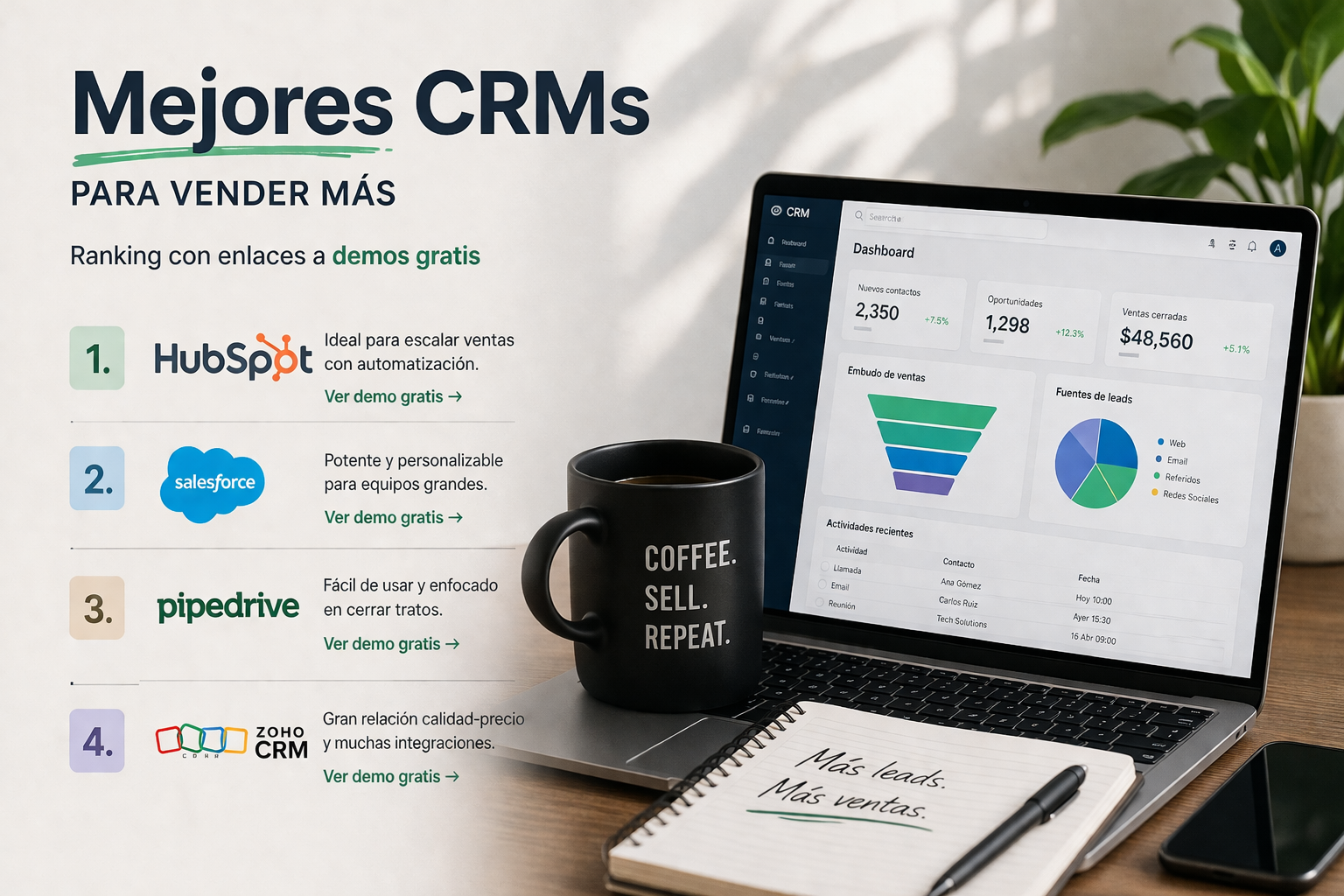
You don’t need a CRM to store contacts. You need a CRM to sell more. Faster follow-ups. Better pipeline visibility. Less admin work. More closed deals.
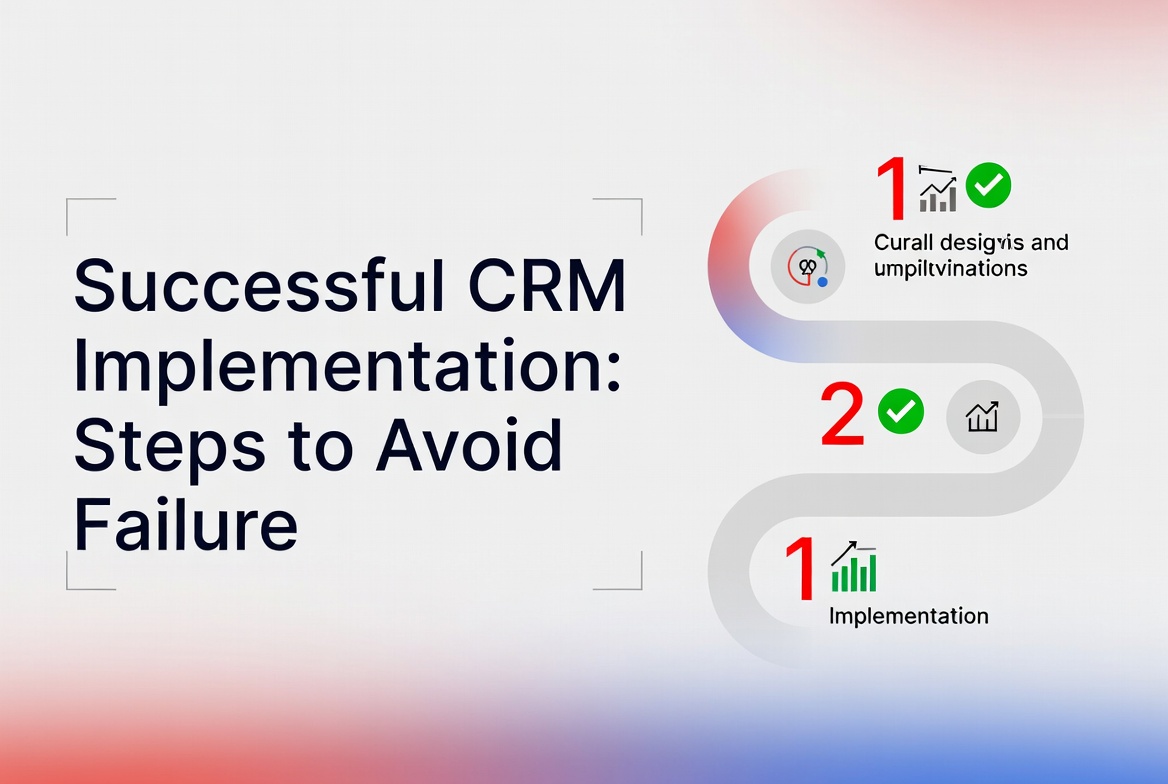
Here’s a scary statistic: 30-40% of CRM implementations fail. Not “underperform.” Fail. As in, abandoned within 12 months. The problem isn’t the software. It’s how companies implement
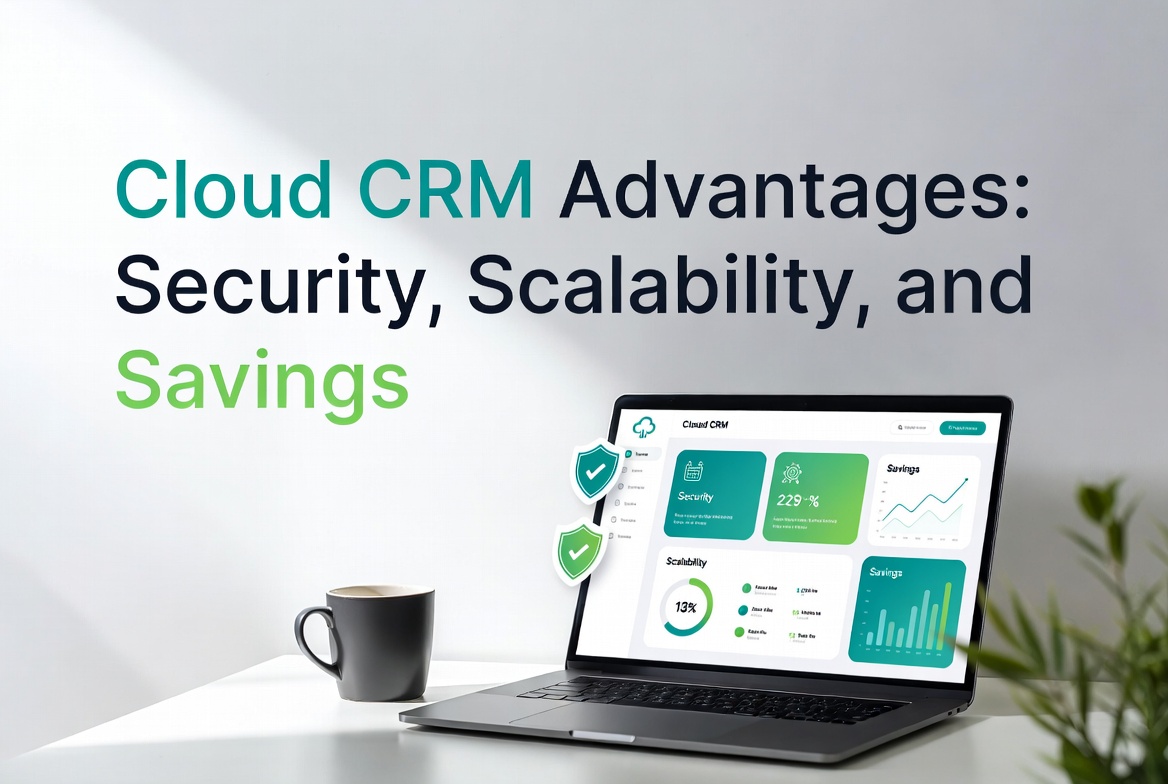
Not long ago, businesses had to install CRM software on every computer. IT teams spent weeks on setup. Servers crashed. Data was trapped in the
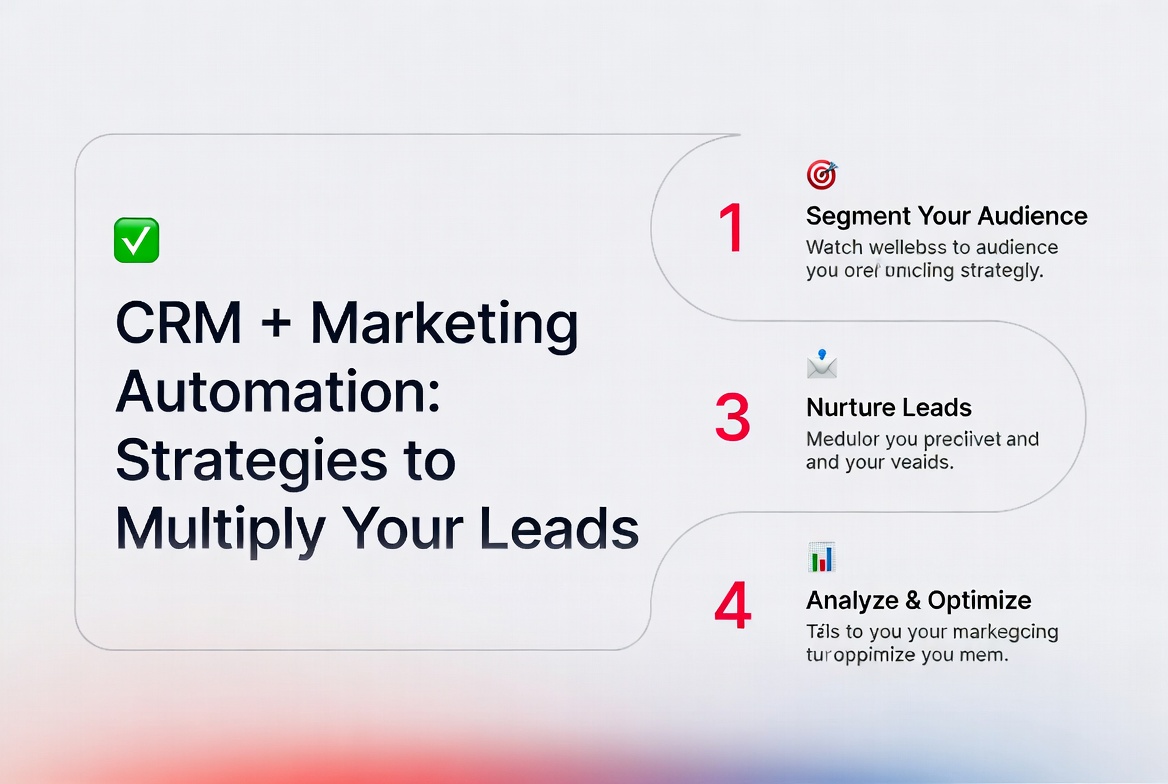
Most businesses use their CRM as a fancy address book. They log contacts, track deals, and stop there. Big mistake. Your CRM is a lead
Walk into any CRM purchase blind, and you’ll either overpay for features you don’t need or underbuy and outgrow it in six months. Stop guessing.
Walk into any CRM comparison and you’ll find dozens of options. It’s overwhelming. Free vs. paid. Cloud vs. on-premise. Generalist vs. industry-specific. Stop spinning. I’ve
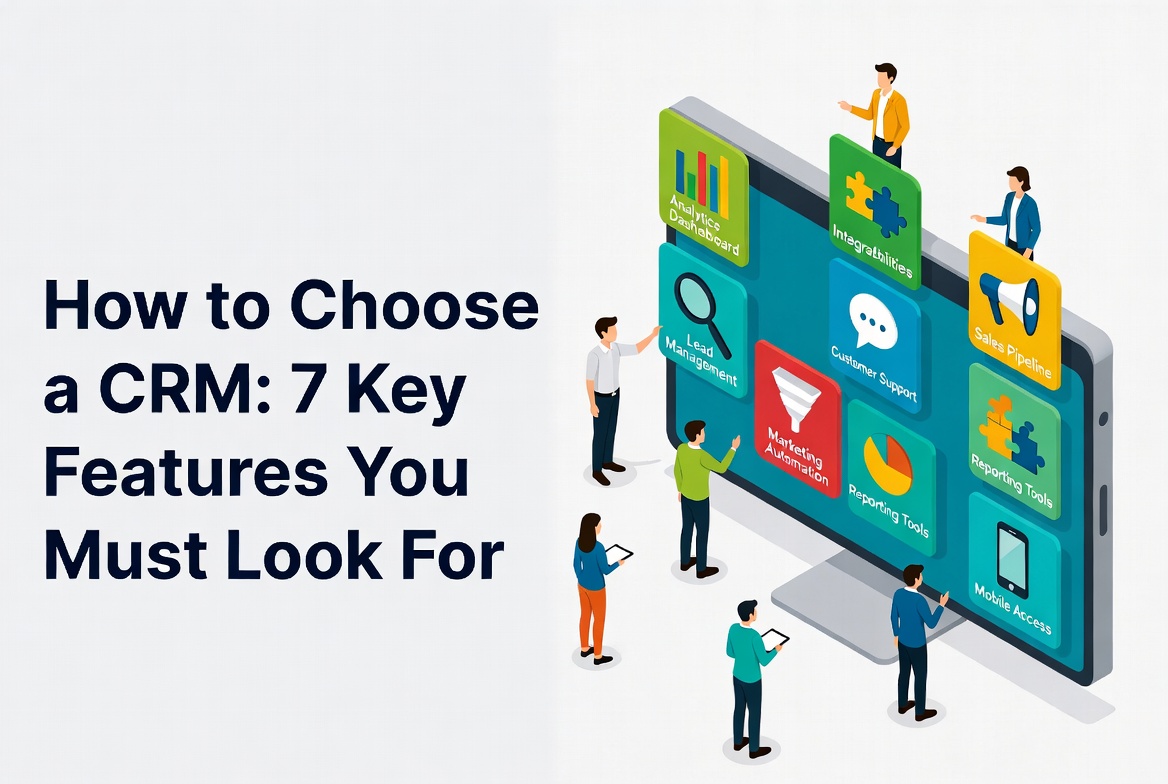
If you run a small or medium business, you already know the struggle: leads fall through the cracks, follow-ups get forgotten, and your sales team
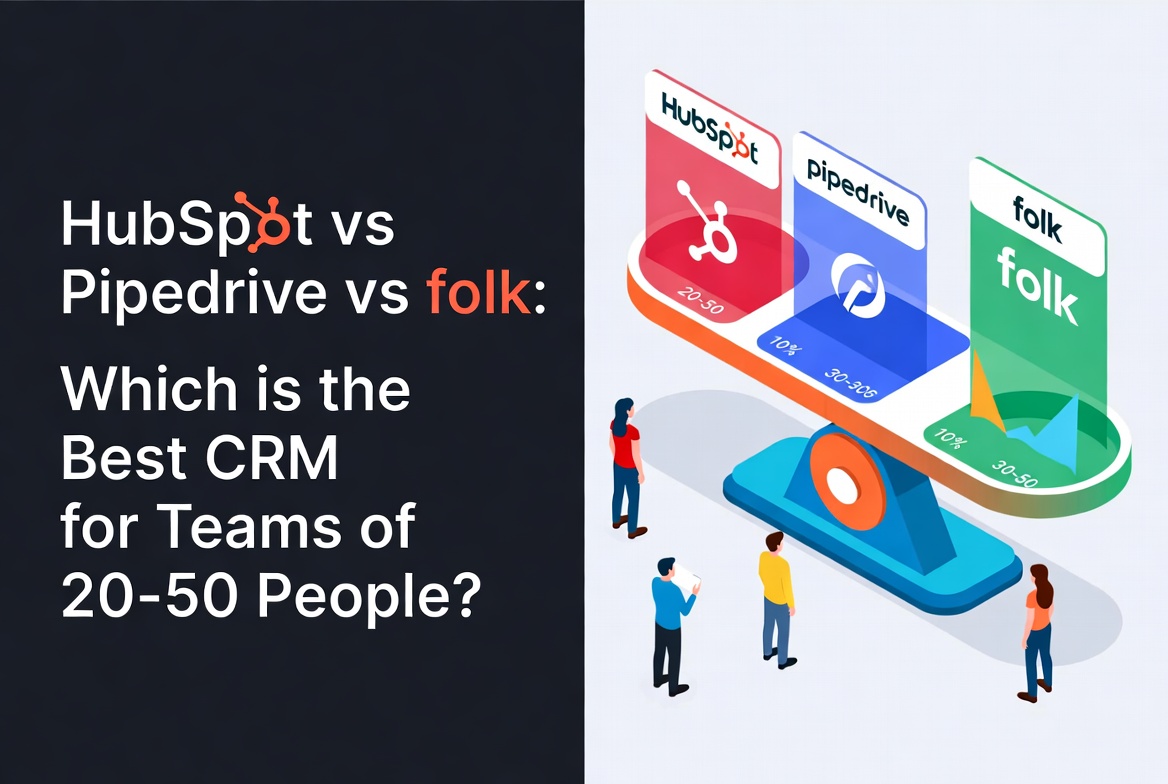
Teams of 20–50 people live in a tricky spot. You’re too big for basic spreadsheets but not ready for enterprise behemoths like Salesforce. You need
Salesforce is powerful, but let’s be honest: it’s expensive, complex, and often overkill for small and medium businesses. The good news? You don’t need Salesforce
When your business operates at enterprise scale, you can’t afford to choose the wrong CRM. Three platforms dominate the enterprise space: Salesforce, Microsoft Dynamics 365, and SAP CX.
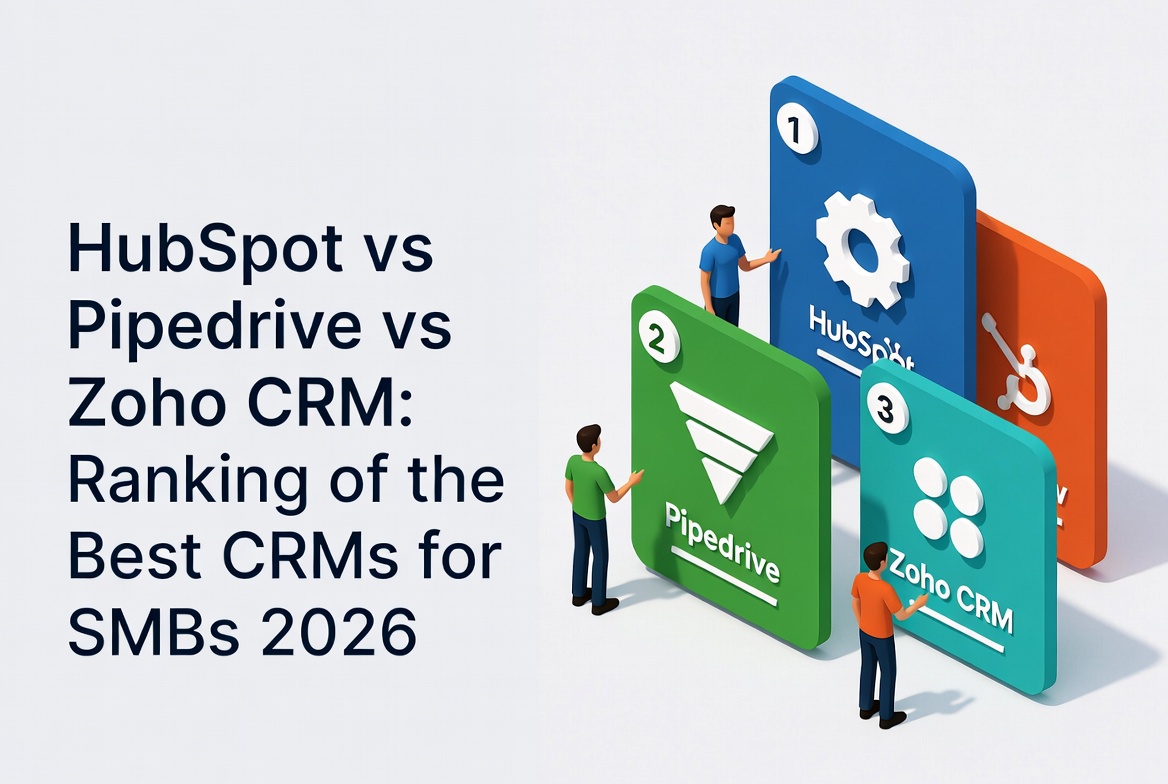
If you run a small or medium business, you need a CRM that’s powerful but not overwhelming. Three names consistently rise to the top: HubSpot, Pipedrive, and Zoho
Choosing a CRM isn’t easy. Three names dominate the market: Salesforce, HubSpot, and Zoho CRM. Each has clear strengths, but also weaknesses. The final decision depends on your